You’ve updated your resume, polished your LinkedIn profile, and sent your information to a recruiter. Now what?
For a lot of finance and accounting professionals, this is where things go quiet. A week passes. Then two. You start to wonder whether the recruiter forgot about you, or whether you did something wrong.
Here’s the truth: working with a recruiter is a two-way relationship, and how you show up in that relationship has a direct impact on the results you get. This guide walks you through what to expect, what to do, and how to make the most of the partnership.
Understand what a recruiter actually does for you
A good recruiter isn’t just a job board with a phone number. They act as an advocate for you inside companies you may never have reached on your own. They know which roles are about to open before they’re posted publicly, they understand what a specific hiring manager actually wants (versus what the job description says), and they can help position you in a way that makes sense for the market.
At the same time, it’s important to be realistic. Recruiters work multiple candidates at once, and they’re also accountable to the companies they serve. The best relationships are the ones where both sides are honest and communicative.
Be upfront from the start
One of the biggest mistakes candidates make is being vague about what they want. Recruiters can’t advocate for you effectively if they don’t know what you’re looking for.
Be specific about the following:
- Role type and level. Are you looking for a Senior Accountant role, or are you open to stepping into a Controller position? Knowing this helps your recruiter pitch you to the right opportunities.
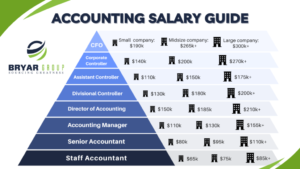
- Compensation expectations. Give a realistic range. If a role pays $85K and you need $105K, saying so upfront saves everyone time.
- Timeline. Are you actively looking and ready to move quickly? Or are you exploring options and happy to wait for the right fit? Both are valid. Just be honest about it.
- Non-negotiables. Remote vs. hybrid, industry preferences, commute limits. The more your recruiter knows, the better they can filter on your behalf.
Respond quickly and show up prepared
When a recruiter reaches out with an opportunity, how you respond matters. Candidates who reply promptly and come to conversations prepared tend to get more attention. Not because recruiters play favorites, but because those candidates are easier to place and easier to advocate for.
That means:
- Returning calls and emails within 24 hours. If a role opens and a recruiter can’t get you on the phone, they’ll move to the next candidate. Hiring timelines are often shorter than people expect.
- Reviewing the opportunity before the call. If your recruiter sends a job description ahead of time, read it. Come in with a question or two. It signals that you’re serious.
- Being honest if something isn’t right. If a role isn’t the right fit, say so clearly. Your recruiter would rather know now than have you go silent later.
Keep the recruiter updated
A lot of candidate relationships go cold because of a lack of communication. If your situation changes, your recruiter needs to know.
Did you get an offer from somewhere else? Tell them. Did your timeline shift? Let them know. Are you having second thoughts about making a move? Say something.
Recruiters aren’t going to judge you for changing your mind. What they need is accurate information so they can manage relationships with hiring companies on your behalf. Keeping them in the loop protects everyone.
Give honest feedback after interviews
After an interview, your recruiter will almost certainly follow up to see how it went. This isn’t just small talk. Your feedback is information that helps them do their job.
If the company culture felt off, say so. If the role description didn’t match what was discussed in the interview, mention it. If you’re excited and want to move forward, be clear about that too. The more candid you are, the more your recruiter can advocate for you in real time.
Think of it as a long-term relationship
Even if the timing isn’t right today, a good recruiter is worth staying connected to. The finance and accounting market in Chicago is smaller than it looks. The same recruiter who placed you in a role at 28 might help you hire for your own team at 38.
Stay in touch. Give an update when you’ve settled into a new position. Refer a colleague if you know someone who’s looking. These small gestures build the kind of professional goodwill that pays off over time.
The bottom line
Working with a recruiter isn’t a passive process. The candidates who get results are the ones who communicate clearly, respond quickly, and treat the relationship like it matters, because it does.
At Bryar Group, we work with finance and accounting professionals at every level, from staff accountants to CFOs, across the Chicagoland area. If you’re thinking about your next move, we’d love to have a conversation.
Ready to get started? Connect with our team today.